Disagree With a California Deposit Deduction? Organize the Evidence
Prepare a concise California deposit-disagreement file that separates amounts, dates, condition evidence and the specific response you are requesting. Information reviewed on October 18, 2026. This practical guide helps organize questions and records; it is not individualized legal advice. California statewide rules, local protections and property-specific exemptions can differ. Check current official sources and obtain qualified help for a legal decision or a notice with a deadline.
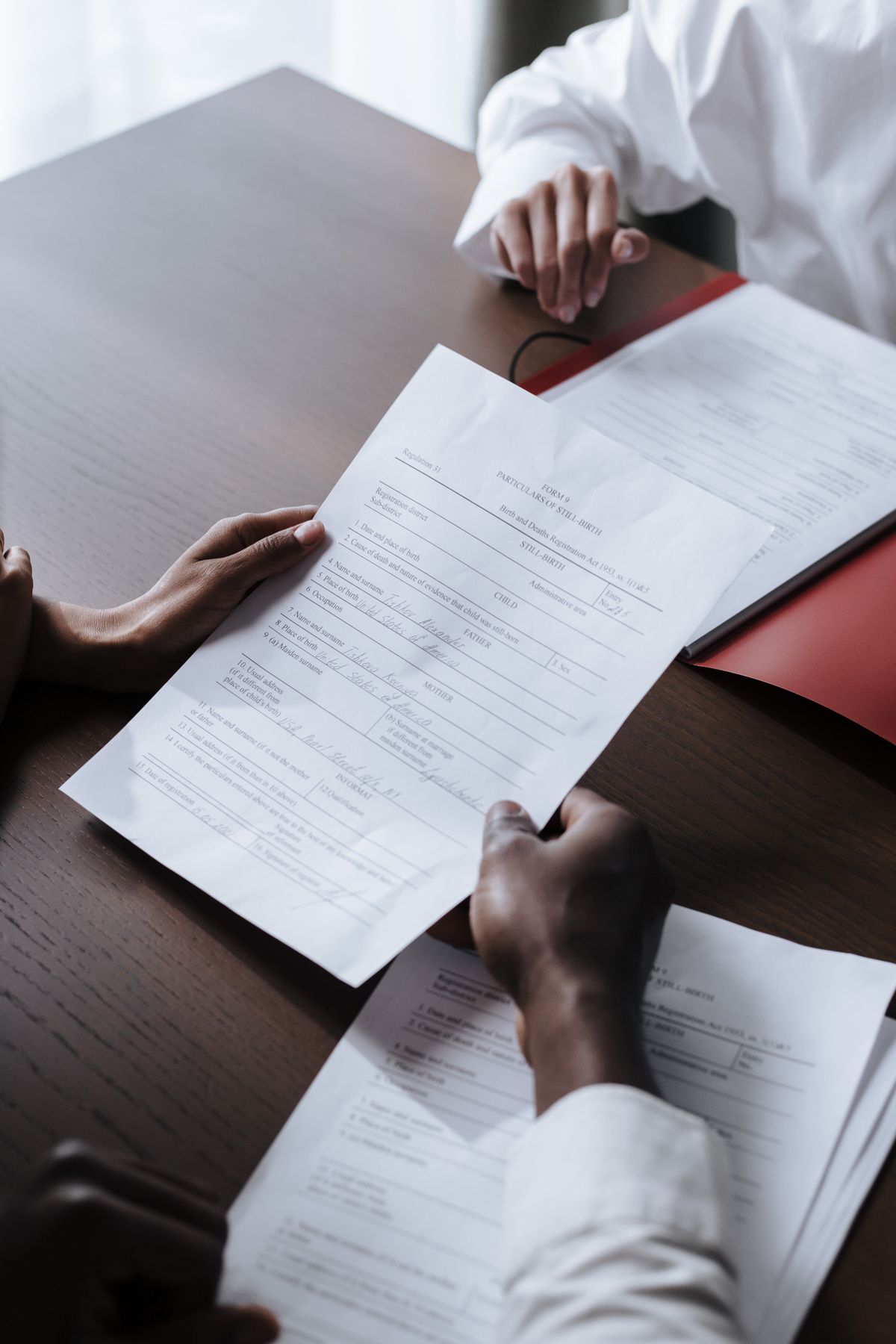
Photo: Pexels · Pexels License. Illustrative photograph of the subject; not a tested result, current condition report or endorsement. Display may crop the original.
Read the complete accounting
Keep the deposit statement, payment or refund record, attachments and delivery details together. Identify what was returned, what was deducted and what remains unexplained. Do not begin with a total from memory. An itemized table makes the dispute more understandable than a message stating only that the amount feels unfair.
Build the tenancy timeline
Record possession, notice, inspection, move-out and key handover dates using actual documents. Include when the accounting was received and any later estimate or supporting record. Keep uncertain dates labeled. Timing can matter under the applicable process, but a general article cannot decide how every fact affects your individual claim.
Separate each deduction
Create one row per item with the stated reason, amount, support supplied and your factual response. Distinguish a disagreement about condition from a missing receipt or an arithmetic issue. Avoid merging several different problems into one accusation. A reviewer should be able to understand what is contested without reconstructing the entire tenancy.
Compare condition evidence carefully
Link the relevant move-in and move-out photographs, notes and repair communications for each disputed area. Use complete images and preserve originals rather than cropping away context. Do not claim a photograph proves something outside its frame or date. A clear comparison is more credible than a large unsorted folder with no explanation.
Check the official process
California Courts explains permitted deduction categories and the return or accounting process, including supporting information in specified circumstances. Read the current page and the DRE guide for detail. Do not assume every unwanted deduction is automatically unlawful or that an additional award is guaranteed. Qualified advice can help assess the actual evidence and rules.
Write a focused request
State the tenancy address, original security amount, accounting received and the particular items you question. Explain the relevant evidence and the response or amount you are requesting. Keep the tone factual and preserve the message. If direct contact would be unsafe or legally restricted, obtain appropriate guidance rather than using a standard letter mechanically.
Track the response and next action
Record any clarification, revised accounting or payment without silently changing your original file. Ask what remains unresolved and whether further documents are needed. If considering a court or other process, use current official resources and qualified help for deadlines, jurisdiction and procedure. Do not let routine correspondence cause you to miss a legal deadline.
Protect a reviewable final file
Keep a one-page summary, the item table and numbered supporting records. Remove unrelated private information from a sharing copy while preserving originals securely. A concise file helps an adviser or decision-maker understand the issue. This organizational method does not predict a judgment, guarantee recovery or replace advice on whether and how to proceed.
A worked plan you can adapt
A former tenant disputes two lines in an accounting. The first is a condition question with move-in and final photographs; the second is a charge whose supporting explanation is missing. The tenant creates separate rows rather than demanding the whole deposit without explanation. A short message states each question, references the relevant record and requests clarification or the specific amount sought. The original statement remains unchanged in the file when a revised response arrives. Before pursuing a formal process, the tenant checks current official resources and obtains help with any deadline. This example is an evidence-organizing method, not a finding that either hypothetical charge is valid or invalid.
Your working checklist
Checkmarks stay in this browser when storage is available. They do not submit information or complete a purchase.
Put it into practice
- Preserve the full deposit accounting, payment records and attachments before summarizing the disagreement.
- Build the actual possession-to-handover timeline and record when each statement or supporting document arrived.
- Create one row per contested deduction, separating condition, support and arithmetic questions.
- Link each item to the relevant complete move-in and move-out evidence without overstating what an image proves.
- Read current official deduction and accounting guidance, obtaining qualified advice about the individual facts where needed.
- Send a focused factual request through an appropriate safe channel and preserve the response and any revised amount.
- Prepare a concise indexed file for further qualified or official help, checking deadlines before taking the next step.
Before you finish
- The exact address and jurisdiction are recorded, with local questions kept separate from statewide information.
- Quoted amounts and promises are linked to a dated written source rather than an assumption.
- Sensitive documents are shared only through a verified necessary process.
- Any notice or legal deadline is routed promptly to qualified local help rather than left on a routine task list.
Common questions
Does every disputed deduction mean the landlord acted unlawfully?
No automatic conclusion follows from disagreement. Separate the facts, evidence and governing rule, and obtain qualified review where necessary.
Are additional damages guaranteed?
No. California Courts describes potential remedies and conditions; an individual outcome depends on the facts and applicable process.
Should I send my entire phone gallery?
Prepare an indexed set of relevant records and preserve originals. Explain which image relates to which item rather than overwhelming the recipient with unrelated material.
Can I keep writing letters indefinitely before deciding about court?
Check applicable deadlines and seek qualified or official guidance promptly. Do not assume correspondence pauses every time limit.