Compare Utilities and Shared Charges Before Signing a Rental Lease
Turn vague statements such as 'utilities extra' into a written comparison of account responsibility, included services, shared charges and practical move-in tasks. Information reviewed on October 18, 2026. This practical guide helps organize questions and records; it is not individualized legal advice. California statewide rules, local protections and property-specific exemptions can differ. Check current official sources and obtain qualified help for a legal decision or a notice with a deadline.
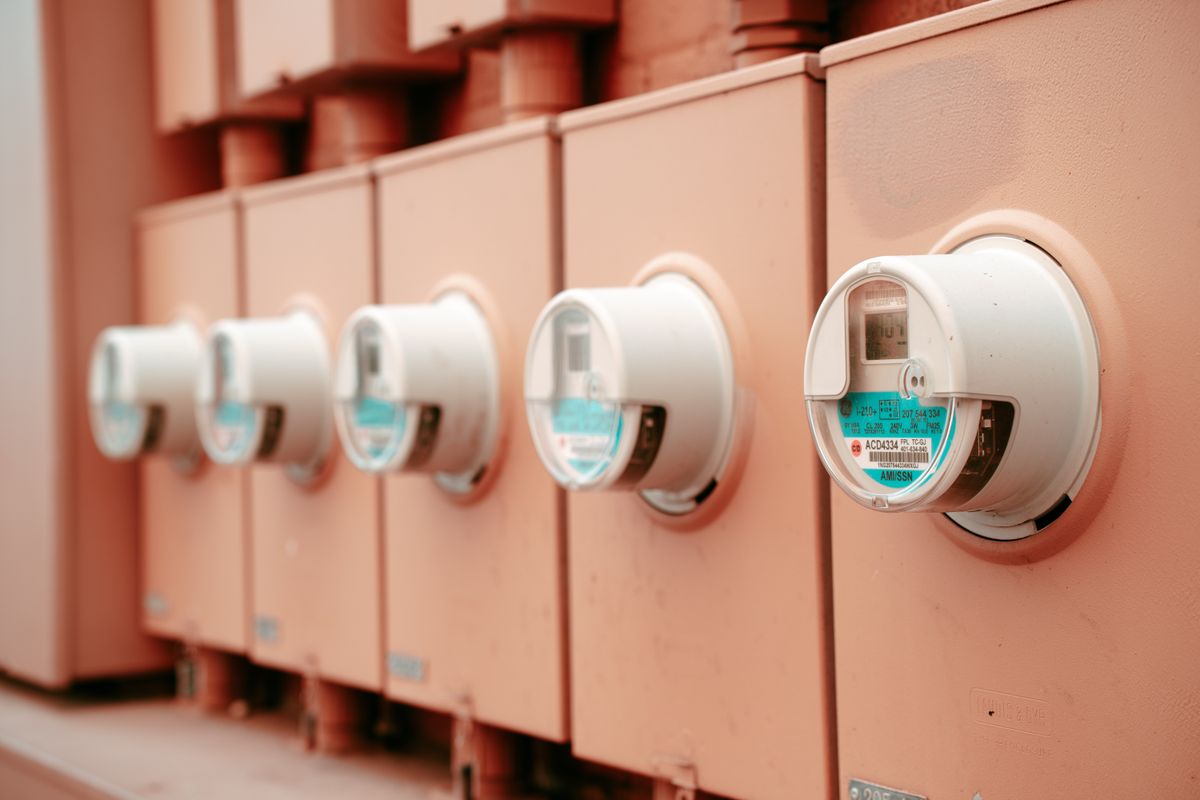
Photo: Pexels · Pexels License. Illustrative photograph of the subject; not a tested result, current condition report or endorsement. Display may crop the original.
Make a complete service inventory
List electricity, gas, water, sewer, trash, internet and any property-specific service relevant to the unit. Add parking or laundry separately so they do not disappear inside a utility estimate. Begin with the actual address and proposed lease. A generic neighborhood cost figure cannot tell you which services this agreement includes.
Identify who holds each account
Ask whether the household opens an individual account, reimburses the owner or pays through another billing arrangement. Record the verified provider and the date service must begin. Do not assume the visible meter or a previous resident's statement establishes the contractual responsibility. Compare the answer with the written lease before treating it as confirmed.
Understand any shared allocation
If a charge is divided among units, ask how the total is measured, allocated and documented, including administrative charges. Request an example explanation rather than guessing from the number of occupants. Shared-meter legal questions can be specific; use current official guidance or qualified help if unclear. A manager's round estimate is not a formula.
Separate rates from usage
A prior bill can help identify categories, but your household's usage, season and rate can differ. Mark estimates with their source and period rather than presenting them as a promise. Compare heating, cooling and appliance arrangements that affect use without claiming a particular system will deliver a precise saving. Leave uncertain amounts as a range you explicitly chose for planning.
Check internet before relying on it
Confirm which providers actually serve the unit, the available installation route and any building permission required. A general coverage map may not establish service inside the apartment. Ask about equipment and installation scheduling separately from advertised speed. If working remotely, plan a temporary alternative without assuming it is included in the rent.
Plan service transitions
List the account-opening, start, stop and forwarding tasks with a responsible person and date. Avoid a gap between the old home and new possession, but do not order service for a tenancy that remains unconfirmed. Keep provider confirmations securely and verify contact details independently. Never rely on an unexpected payment link without checking its origin.
Compare the full household amount
Put each rental into the same categories and distinguish included, individually billed, shared and optional services. Add confirmed recurring charges without double counting. If one rental includes a service, do not also add the generic estimate you used for another property. Record what remains unknown before deciding which home costs less.
Keep the written answer with the lease
Ask the manager to clarify a material mismatch between the listing, email and agreement. Preserve the final explanation and actual billing terms for later reference. If a charge changes or seems inconsistent, use your records to ask a precise question. This comparison method improves understanding without declaring an individual charge lawful or unlawful.
A worked plan you can adapt
Two apartments have similar advertised rent. The comparison worksheet shows that one includes a service while the other uses shared billing. The applicant asks for the shared formula and a current explanation rather than inserting the same guess into both rows. They also confirm whether internet installation is possible at the exact unit because their work depends on it. Their move-in task list names the person responsible for each account and the service start date. After clarification, the household compares complete costs using the same categories. The example deliberately uses no invented market-average bills: its value is the method for separating an included service, an individually metered account and a charge that still needs explanation.
Your working checklist
Checkmarks stay in this browser when storage is available. They do not submit information or complete a purchase.
Put it into practice
- List every service for the exact unit, separating utilities from parking, laundry and optional amenities.
- Identify who opens and pays each account and compare those responsibilities with the proposed lease.
- Request the measurement, allocation and documentation method for a shared charge, including any added fee.
- Mark estimates with their source and period, keeping rate and usage uncertainty visible rather than presenting an old bill as a promise.
- Confirm unit-specific internet and installation needs if connectivity matters to work or household routine.
- Build a service transition list with dates and owners only after the tenancy and possession arrangements are sufficiently clear.
- Compare rentals using identical categories and preserve the final written explanations with the signed agreement.
Before you finish
- The exact address and jurisdiction are recorded, with local questions kept separate from statewide information.
- Quoted amounts and promises are linked to a dated written source rather than an assumption.
- Sensitive documents are shared only through a verified necessary process.
- Any notice or legal deadline is routed promptly to qualified local help rather than left on a routine task list.
Common questions
Does 'utilities included' mean every service?
Ask for an itemized list in the written arrangement. Internet, laundry, parking or other services may be treated separately.
Can I use the previous tenant's bill as my budget?
It is context rather than a guarantee. Household use, season, rate and responsibility can differ; label the estimate and check the underlying arrangement.
How should I assess a shared water or utility charge?
Ask for the actual allocation method, supporting bill information and added charges. Seek current official or qualified guidance for a legal question instead of guessing from a round estimate.
Does a provider's neighborhood coverage map prove service at the unit?
No. Confirm the exact address, building access and installation requirements with the verified provider before relying on it.