Read a California Residential Lease: A Practical Review Worksheet
Read a California lease as a set of practical commitments, using a worksheet for the parties, money, dates, services and unresolved provisions before signing. Information reviewed on October 18, 2026. This practical guide helps organize questions and records; it is not individualized legal advice. California statewide rules, local protections and property-specific exemptions can differ. Check current official sources and obtain qualified help for a legal decision or a notice with a deadline.
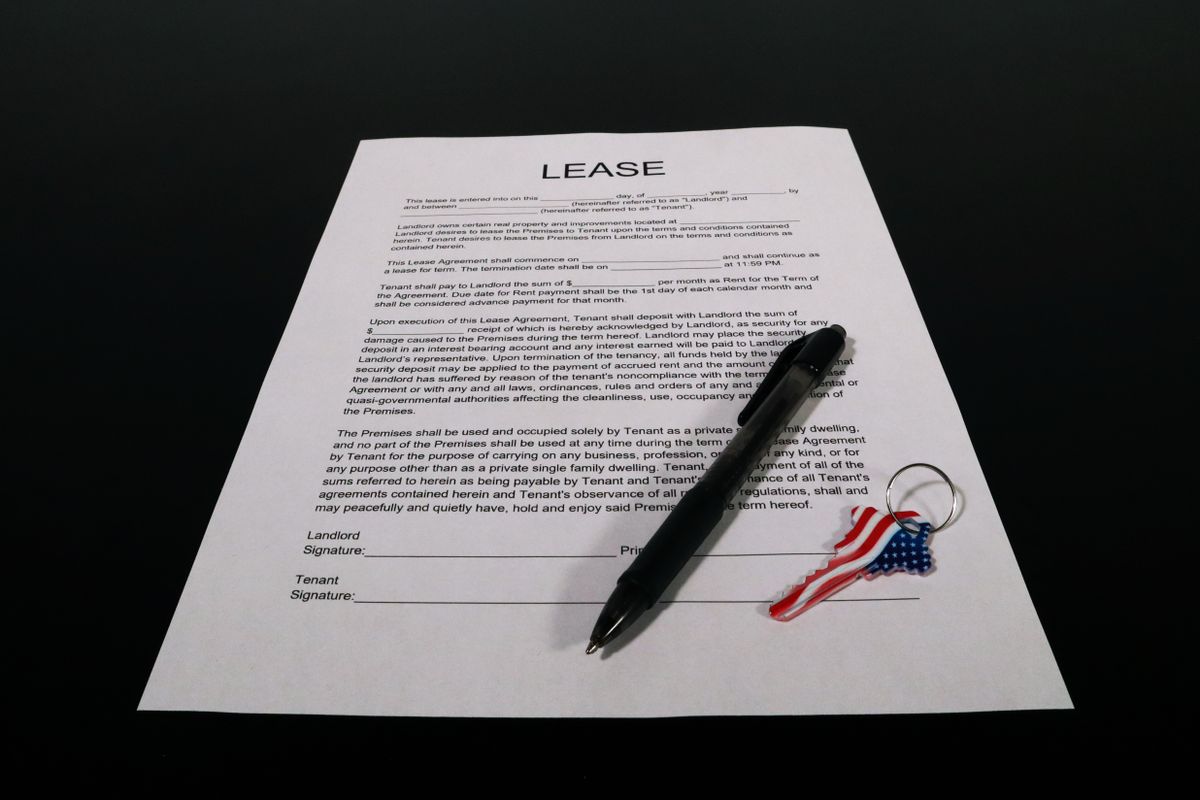
Photo: Pexels · Pexels License. Illustrative photograph of the subject; not a tested result, current condition report or endorsement. Display may crop the original.
Confirm the exact parties and premises
Check the legal names, address, unit and spaces included in the proposed tenancy. Compare them with the verified listing and manager's explanation of authority. Parking, storage or a yard should be identified rather than assumed from a tour. Ask about any mismatch before signing; a familiar contact name alone does not resolve who the agreement binds.
Read dates as a connected sequence
Record the signing date, possession date, payment dates and stated term. Ask what happens if promised work delays access or if the dates conflict. A planned moving day is not automatically a contractual right to possession. Keep your own travel and mover bookings flexible until the written arrangement is clear.
Create a money table
Copy each amount and its stated purpose, frequency, due date and recipient. Separate rent, security, utilities and optional services instead of relying on a single move-in total. Look for concessions and how they affect actual payment months. If a charge's legal treatment is uncertain, check official guidance rather than assuming a signed label settles it.
Match services with responsibility
List who supplies, pays for and maintains each service or appliance. Clarify shared meters or billing formulas and any account-opening obligation. Compare the lease with written promises made during the tour. An appliance's presence or a manager's general reassurance does not answer every responsibility question. Keep unresolved differences visible until corrected or explained.
Read use and occupancy provisions
Review named occupants, guests, pets, smoking, parking and any restrictions relevant to your actual household. Ask about language you do not understand rather than assuming it is harmless boilerplate. Keep ordinary pet questions separate from disability-related accommodation issues, which can involve different rules and require qualified or official guidance.
Review maintenance and communication routes
Find the stated method for repairs, emergencies and routine notices. Confirm the management contact and how to document a request. Do not interpret a maintenance clause as permission to undertake hazardous work yourself or stop rent without advice. A clear communication route is useful even when the lease does not anticipate every practical situation.
Keep all addenda together
Ask for every referenced attachment before signing and read them in the same session as the main agreement. Check whether a later page changes a promise you relied on. Do not sign blank spaces or an incomplete packet. If an amendment is agreed, make sure the final version identifies it clearly and is acknowledged appropriately.
Resolve material questions before execution
Write a short question list with the clause, your factual concern and the clarification requested. Use qualified local help for legal interpretation, especially where an exemption, waiver or notice matters. Keep the complete final signed copy and related responses securely. A practical reading worksheet improves organization but cannot decide whether every term is enforceable.
A worked plan you can adapt
An applicant receives a lease after a tour where parking and a refrigerator were discussed. Their worksheet shows that the packet identifies the apartment but leaves the parking space unclear and refers to an attachment not supplied. The applicant asks for the missing attachment and a written explanation of the parking arrangement. They also compare the appliance responsibility with the current official guidance rather than assuming the tour answered the legal question. Only after the complete version arrives do they check dates, money and the agreed clarification again. This example demonstrates a reading sequence, not an opinion on a particular clause. The useful result is a complete record of what is being proposed before the applicant makes a binding decision.
Your working checklist
Checkmarks stay in this browser when storage is available. They do not submit information or complete a purchase.
Put it into practice
- Verify the parties, exact premises and included spaces against the listing and management information you independently checked.
- Record possession, term and payment dates in one timeline, asking about conflicts or delayed access before booking a move.
- Copy each financial item into a table with purpose, amount, frequency, due date and recipient.
- Compare utilities, appliances and maintenance responsibilities with the written promises made before the lease arrived.
- Read occupancy, pet, guest and use provisions for your actual household, obtaining qualified help for legal uncertainty.
- Request and read all referenced addenda, rejecting an incomplete packet as a basis for an informed signature.
- Resolve material questions, review the complete final version and preserve the signed agreement and responses securely.
Before you finish
- The exact address and jurisdiction are recorded, with local questions kept separate from statewide information.
- Quoted amounts and promises are linked to a dated written source rather than an assumption.
- Sensitive documents are shared only through a verified necessary process.
- Any notice or legal deadline is routed promptly to qualified local help rather than left on a routine task list.
Common questions
Is standard lease wording automatically unimportant?
No. Read how it affects your household and ask about unfamiliar language. A common form can still contain commitments or unresolved legal issues.
Can I rely on a promise that is not in the packet?
Ask how the promise will be recorded and compare the final written agreement with the response. Avoid silently assuming an oral reassurance has been incorporated.
Should I sign before receiving an addendum?
Obtain and read every referenced attachment first. An incomplete packet prevents you from understanding the whole proposed arrangement.
Can this checklist tell me whether a term is enforceable?
No. It helps identify facts and questions. Use current official sources and qualified local legal help for interpretation or an individual dispute.