San Francisco Rental Search: Building Details and Rent Board Questions
Prepare a San Francisco rental comparison with the exact unit, documented building facts and a clear Rent Board question instead of assuming one building-age rule answers every issue. Information reviewed on October 18, 2026. This practical guide helps organize questions and records; it is not individualized legal advice. California statewide rules, local protections and property-specific exemptions can differ. Check current official sources and obtain qualified help for a legal decision or a notice with a deadline.
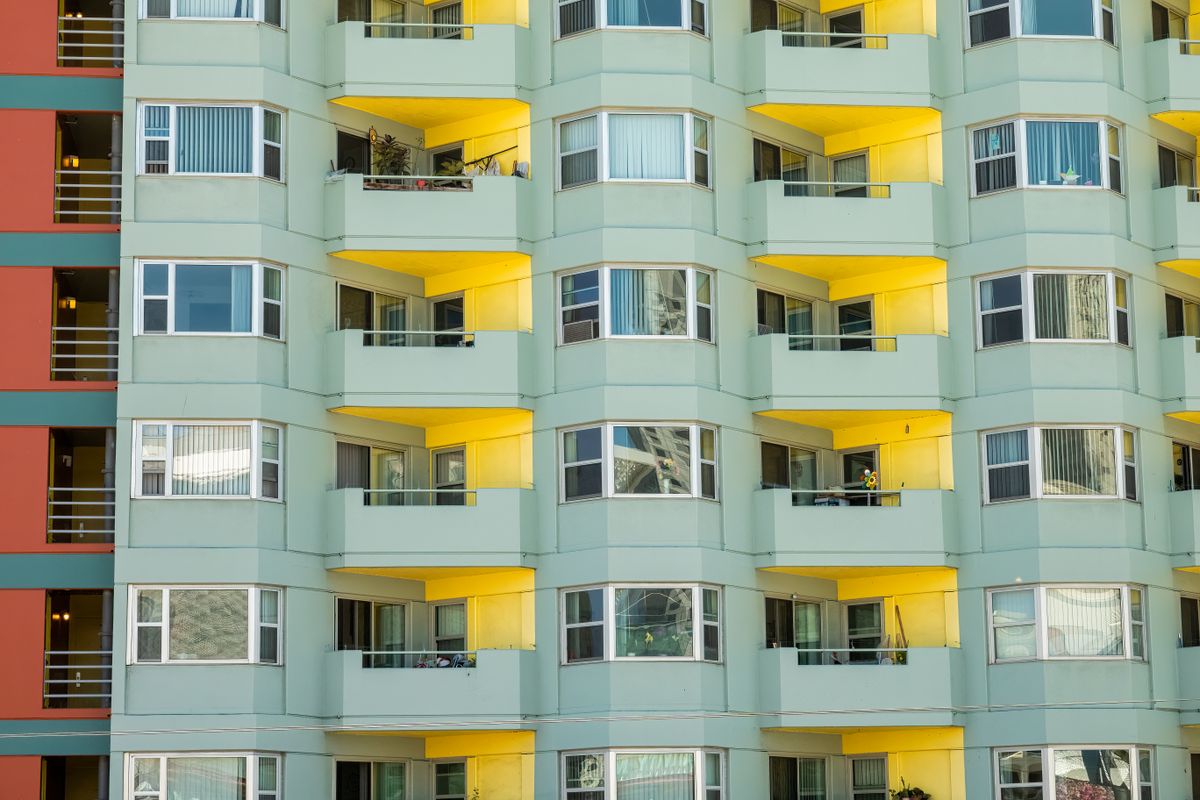
Photo: Pexels · Pexels License. Illustrative photograph of the subject; not a tested result, current condition report or endorsement. Display may crop the original.
Identify the unit precisely
Record the complete address, unit, proposed tenancy start and the person or business offering it. Compare the listing, tour and lease for consistency. A building nickname or neighborhood label is not an adequate substitute for the premises in the agreement. Save the verified contact and source of each material property fact.
Separate the legal questions
Rent increases, eviction protections, fees and habitability need not share identical coverage criteria. San Francisco's official resources emphasize that not every unit has the same ordinance coverage. Do not turn one exemption claim into a statement that all protections disappear. Frame the precise issue you need explained before collecting unrelated online opinions.
Document building facts without guessing
If building age, unit type or another characteristic matters to your inquiry, identify a reliable record and note what remains unconfirmed. Do not infer the legal status from architectural appearance or a manager's casual description. Keep the claimed exemption and its supporting explanation together so the Rent Board or qualified adviser can assess the actual question.
Use the Rent Board's current resources
Start on the official city site for procedures, contact and current information. Avoid an old fee or adjustment number in a search snippet. If a page describes a particular category, read its scope before applying it to your unit. Save the link and review date, then ask about a material ambiguity instead of guessing.
Compare the whole housing cost
Record actual rent, concessions, utilities, parking and other stated charges in the same format across properties. Keep legal treatment questions separate from affordability arithmetic. A rent-control claim does not eliminate the need to understand the initial payment schedule and services. Ask the verified manager to itemize what the listing leaves vague.
Assess the route and daily fit
Check the building entrance, stairs, shared spaces, laundry and the route relevant to your routine. Ask about access needs and test public transport at a meaningful time where feasible. Avoid broad assurances about neighborhood safety or convenience. Focus on observable features and current service information rather than an image of the neighborhood.
Ask a concise unit-specific question
A useful message states the address, tenancy timing, relevant claimed facts and the exact coverage or notice question. Attach the necessary lease or notice through the official or qualified channel. Keep the inquiry factual and avoid demanding a conclusion from incomplete information. Preserve the answer with its date and stated limitations.
Review before making the commitment
Read the complete lease and addenda alongside the property file and responses. If an essential point remains unresolved, seek qualified help before assuming a favorable answer. A later formal notice deserves prompt attention even while a general inquiry remains pending. This workflow improves the quality of the question; it does not determine the unit's legal status.
A worked plan you can adapt
An applicant sees an older-looking building and a listing that makes a broad rent-control claim. The applicant records the exact unit and asks for the relevant building facts instead of treating appearance as proof. A worksheet separates the proposed initial rent and services from a question about which rules would govern a later increase. The applicant uses official Rent Board resources and sends a focused inquiry with the actual address and documents. If the response explains only one category, the applicant does not extend it to unrelated issues. This invented example shows how a narrow, evidence-based question is more useful than debating a single year from memory; it does not decide the legal status of any property.
Your working checklist
Checkmarks stay in this browser when storage is available. They do not submit information or complete a purchase.
Put it into practice
- Record the exact San Francisco unit and verify the offering person's authority and contact independently.
- State the specific issue—such as rent adjustment or a notice—without assuming all legal protections share one coverage test.
- Gather reliable building and tenancy facts, labeling uncertainty and preserving any asserted exemption explanation.
- Use the current official Rent Board resources and avoid applying a historic number or category outside its stated scope.
- Compare the complete cost and daily building route separately from the legal coverage question.
- Send a concise address-specific inquiry through an official or qualified channel with only the relevant records.
- Review the complete final lease and obtain timely help for unresolved material issues or any formal deadline.
Before you finish
- The exact address and jurisdiction are recorded, with local questions kept separate from statewide information.
- Quoted amounts and promises are linked to a dated written source rather than an assumption.
- Sensitive documents are shared only through a verified necessary process.
- Any notice or legal deadline is routed promptly to qualified local help rather than left on a routine task list.
Common questions
Does a building's appearance prove its rent-control status?
No. Use reliable facts and the official or qualified review route. Architecture and a casual age estimate are not a legal determination.
Does one exemption remove every protection?
Do not assume that. Different issues can have different coverage and exemption criteria, so ask the precise question about the actual unit.
Where should I look for current San Francisco information?
Use the city's official Rent Board resources and check the scope and date. Ask the board or qualified help about material ambiguity.
Can I wait for a general inquiry if a notice arrives?
Do not let a pending question cause you to miss a deadline. Obtain prompt qualified assistance for the actual notice or court paper.