A California Rental Home Tour Checklist: Rooms, Systems and Questions
Use a room-by-room California rental tour to record visible condition, practical fit and unanswered questions without mistaking a short visit for a professional inspection. Information reviewed on October 18, 2026. This practical guide helps organize questions and records; it is not individualized legal advice. California statewide rules, local protections and property-specific exemptions can differ. Check current official sources and obtain qualified help for a legal decision or a notice with a deadline.
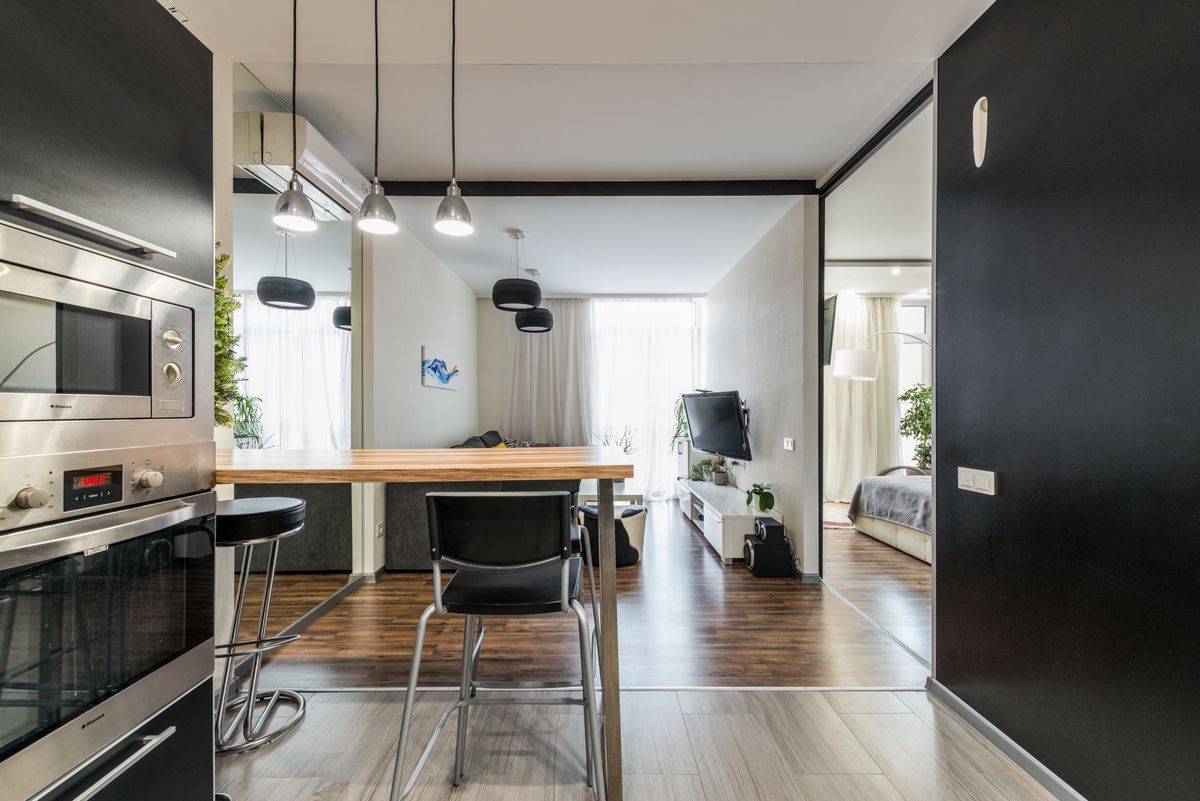
Photo: Pexels · Pexels License. Illustrative photograph of the subject; not a tested result, current condition report or endorsement. Display may crop the original.
Prepare the unit-specific checklist
Bring the exact listing, floor plan if available and a short list of household needs. Separate essential requirements from cosmetic preferences before entering. Record the unit and tour date at the top. A checklist is most useful when it captures what you actually observed, not when every attractive room receives an automatic checkmark.
Start with access and everyday movement
Look at the route from the street or parking space to the door, then movement between rooms and facilities. Note stairs, thresholds and dimensions relevant to your household. Ask about any claimed accessible feature rather than treating a general label as proof. Do not test equipment or enter areas without permission.
Observe water and visible condition
With permission, look for visible stains, damaged surfaces, dampness or unusual odors and ask factual questions. Record the location and response instead of diagnosing a hidden cause. A short tour cannot establish what lies behind a wall or guarantee future performance. If something materially concerns you, request an appropriate explanation or inspection before committing.
Clarify appliances and responsibility
List the stove, refrigerator and other appliances actually present, their condition and who supplies or maintains them. California's 2026 DRE guide discusses current stove and refrigerator requirements and agreements about tenant provision. Read the official detail rather than assuming every missing appliance is automatically your expense. Obtain any proposed arrangement in writing.
Check practical storage and furniture fit
Measure only with permission and record clear dimensions for essential furniture, doors and paths. Think about where ordinary belongings will go rather than filling every empty corner mentally. A wide-angle listing photograph can distort proportions. Avoid buying furniture until the tenancy, measurements and delivery route are confirmed.
Ask about building systems and services
Clarify heating, cooling, laundry, internet, waste collection and how maintenance is requested. Record what is included and what requires a separate account or payment. A visible appliance does not answer every service question. Keep any performance claim as a statement to confirm in the lease or written response, not a tested fact.
Consider the surroundings at relevant times
Look at permitted parking, the approach after dark, traffic and ordinary noise sources. If feasible, revisit the public area at a time relevant to your routine without disturbing occupants. Avoid making broad claims about neighborhood safety or residents. Focus on the routes and conditions your household can observe and verify.
Close with a written question list
After the tour, sort findings into confirmed, unresolved and unacceptable for your needs. Send a concise list of material questions to the verified contact. Ask whether promised work will be completed before possession and how it will be documented. A verbal 'we will handle it' should not silently become a signed lease condition in your mind.
A worked plan you can adapt
A household tours a unit with a large sofa and a work desk in mind. One adult records room and doorway measurements with permission while the other notes appliances and maintenance questions. They see a stain near a window and describe its location without claiming to know the cause. The manager's answer becomes an item to confirm in writing. Their final worksheet separates the attractive layout from three unresolved points: a promised repair, a utility responsibility and the furniture delivery route. They do not pay simply because the tour felt positive. They first review the material answers and compare them with the proposed lease. This method turns impressions into a useful decision record without pretending the applicants performed a technical building inspection.
Your working checklist
Checkmarks stay in this browser when storage is available. They do not submit information or complete a purchase.
Put it into practice
- Prepare a unit-specific checklist with essential household needs and the listing details before the tour.
- Record the access route, stairs and room movement, asking permission before measurements or equipment checks.
- Note visible condition by exact location and ask factual questions without attempting to diagnose concealed defects.
- List appliances, utilities and maintenance responsibilities, checking any current legal question through official guidance.
- Measure essential furniture and delivery routes with permission, keeping uncertain dimensions visibly unresolved.
- Review the public surroundings and routine transport at relevant times where practical and appropriate.
- Send a concise material question list after the visit and compare written answers with the final lease before committing.
Before you finish
- The exact address and jurisdiction are recorded, with local questions kept separate from statewide information.
- Quoted amounts and promises are linked to a dated written source rather than an assumption.
- Sensitive documents are shared only through a verified necessary process.
- Any notice or legal deadline is routed promptly to qualified local help rather than left on a routine task list.
Common questions
Does a tour replace a professional inspection?
No. It records visible observations and practical questions. It cannot guarantee concealed condition or future performance.
Should I diagnose a stain or smell myself?
Describe where it is and what you observed, then ask for an appropriate explanation. Seek qualified assessment if the concern materially affects your decision.
Can I assume appliances in the photo are included?
No. Confirm which items belong to the rental and who supplies and maintains them. Record the agreement in writing.
What about repairs promised during the tour?
Ask for a clear written description, responsible person and completion arrangement. Compare that response with the lease rather than relying on an informal reassurance.